Hello, how the hell are you? If this is your first time here, thanks for stopping by.
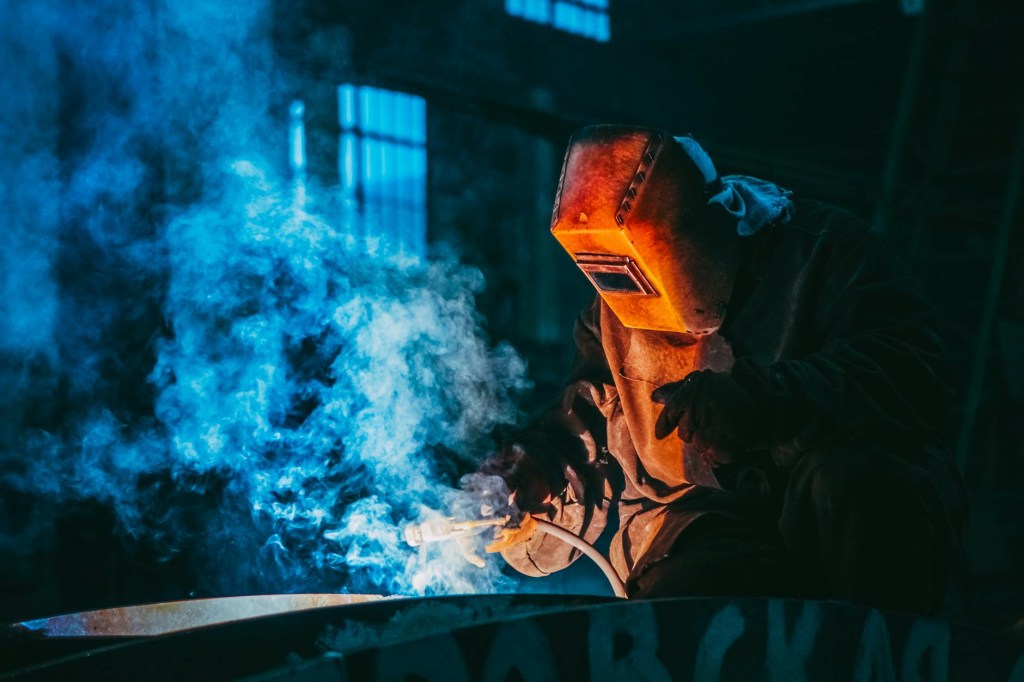
In this blog, we are going to be talking about how and why settings really do not matter when you are taking a photograph. The top questions that get asked of me after posting a photo are what settings did you use to get that photo? Why are they asking this question? How are my settings going to help others? What’s the point of not giving the settings? Can you really learn from others’ settings? I know, and I was also that person asking those same questions after seeing a beautiful photo.
Why Photographers Ask About Camera Settings
When you are out taking a photo, you will tend to find a setting that will work for a scene that you are at. They are perfect for capturing the light in a manner that totally expresses a feeling, a time, and a place. Those three components are what make for a great photo and how to capture the story of you being there.
So by giving the settings, it helps others get a baseline for running across a scene like what was captured. They will have a basic understanding of what f-stop to use to get the most depth out of an image. They will also see that a faster shutter speed was used to freeze the bushes from blowing in the wind that was happening. Most of all, it will fast-track one’s mind on how to capture a moment in time.
Lessons From Welding: Photography as a Process
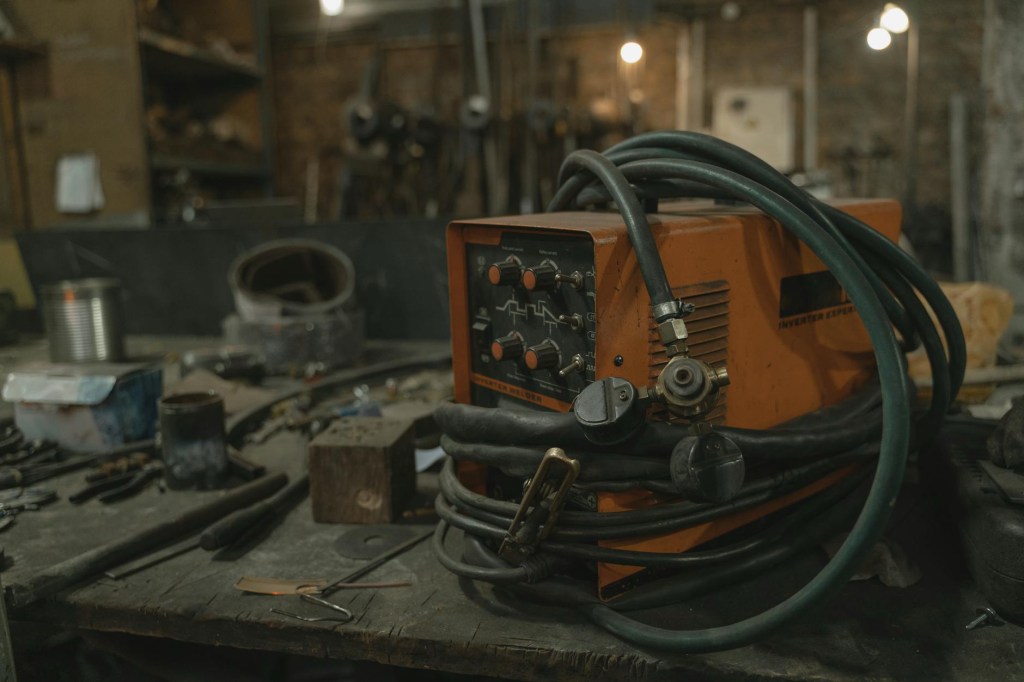
When I was younger, I had my father give me the basic settings for setting up a welding machine so I could learn how to weld like him. He would walk up and ask me why I changed the settings that he gave me. I would then give him my reasons for changing the settings.
I would either hear two things: one, okay, that works if you are happy with them; second, I would hear that was stupid, you are too hot for this type of a weld, and you are going to burn through the metal. I was young and blew him off and just kept using those hotter settings to get the weld that I wanted. Well, that was stupid as he said because I would spend more time trying to fix what I messed up.
Looking back at that pivotal moment, it taught me that certain settings for welding allow for certain conditions, and just like photography, every scene is different, from the light to the wind to the action or lack thereof happening all at the same time. Yes, I could give you my settings, but will they work for you when you are out, possibly and possibly not?

No One-Size-Fits-All Photography Settings
Learning when and what settings to use for certain scenes is just like looking at a welding job. There are going to be different sizes of metal and different weather conditions when out in the field.
So you can have a base setting that you need to start with and adjust the heat from there to achieve the “perfect weld”. There is no one size fits all when it comes to welding because you have to take into account how far away from the machine you are as to how hot you are going to be running the welder.
The camera is no different; the wind may be blowing really hard, so you need to raise the shutter speed to freeze the leaves. The way that you want your image to look will ultimately decide what f-stop you use to show shallow or deep depth of field in the photo. The ISO is going to come into play if you want to brighten up a dark scene.
Mastering Camera Settings Through Practice
When it comes to welding or taking a photo, the settings are the key to achieving the process. This process is going to be key for learning just about anything.
A welder is meticulous in setting up for one weld, and taking a photograph is no different. You have to have all the gear that will accomplish the task and set up everything just right to capture that moment when it happens.
So you just need one true thing to understand what settings to use when faced with capturing that sunset. Time and practice of being on location to know what settings to use. Just like a welder who spends three years practicing in a booth to perfect a process, you will have to do the same when out on location with your camera.

Share Your Photography Settings and Story
Let’s hear those stories on how you captured the perfect sunset and shared your settings to get it just right for how you photograph.
Introduction
Many people ask what camera settings were used for a photo.
The real question: does sharing those settings actually help someone else learn?
You used to ask the same thing when seeing great photos.
Why Settings Aren’t Universal
Every scene has different light, movement, and mood.
Settings that work in one situation may not work in another.
At best, someone else’s settings give you a starting point, not a solution.
Welding Analogy
Story of your father teaching you welding by giving you settings.
You changed them, sometimes with success, sometimes with failure.
Lesson: settings only work under certain conditions; ignoring that causes mistakes.
Photography is the same — one “perfect” setting doesn’t fit all situations.
Photography as a Process
Just like welding, photography requires adapting to conditions in the moment.
Examples:
Raise shutter speed to freeze leaves in the wind.
Choose f-stop for shallow vs. deep depth of field.
Adjust ISO to brighten a dark scene.
It’s about making choices, not memorizing numbers.
The Real Key to Learning
Both welding and photography take time, repetition, and practice.
A welder spends years perfecting a process; a photographer must spend years learning to read light and conditions.
Mastery comes from experience, not copying.
Closing / Call to Action
Settings matter, but only if you know why you’re using them.
Time on location is the real teacher.
Encourages readers to share their own stories of capturing moments and the process they used.
 LocalNavy433 Photography
Leave a comment