Hello, how the hell are you? If this is your first time here, thanks for stopping by. In this blog, we are going to talk about the power of photographing with an entry-level DSLR. There is so much that is dismissed when the talk turns to using an entry-level DSLR. They are stated as not being good enough to be considered a real camera. They are actually treated like a cell phone at times. So the question is, will this work for getting great photos? Can you make a living off using an entry-level DSLR? Will they handle all that you need out of a camera?

The power of an Entry-Level DSLR
To start this off right, the short answer to all the questions above is yes and no. I phrase it like that not to drive you crazy. I say it like that to set the expectations where they need to be. The entry-level DSLR gets a bad wrap due to the lack of features. There is it, that word again, features is the soul-sucking and money-grabbing word. You see, that is the selling point to get a newer camera in most genres of photography. They want you to get a camera with faster shooting abilities, better autofocus, and two control dials for ease of changing settings.
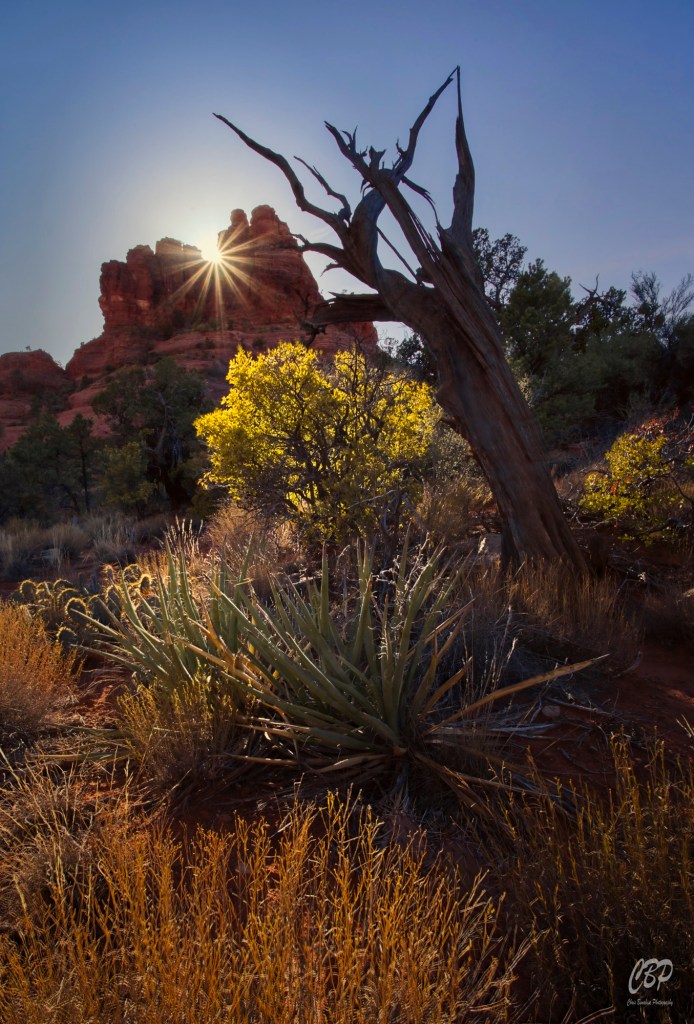
Will you get great images with an entry-level DSLR?
The fact is, the lack of features in a camera to me sets it apart from all those bigger, better cameras out there. Please don’t get me wrong, for my portrait work, I totally use a pro-level DSLR for that, but when I am shooting for me, not a client, I like to slow down. The entry-level DSLR achieves that by the lack of features. This slows me down and allows me to work on all techniques that will help me get those great images. The camera is a tool that helps you achieve the images that are in your head.
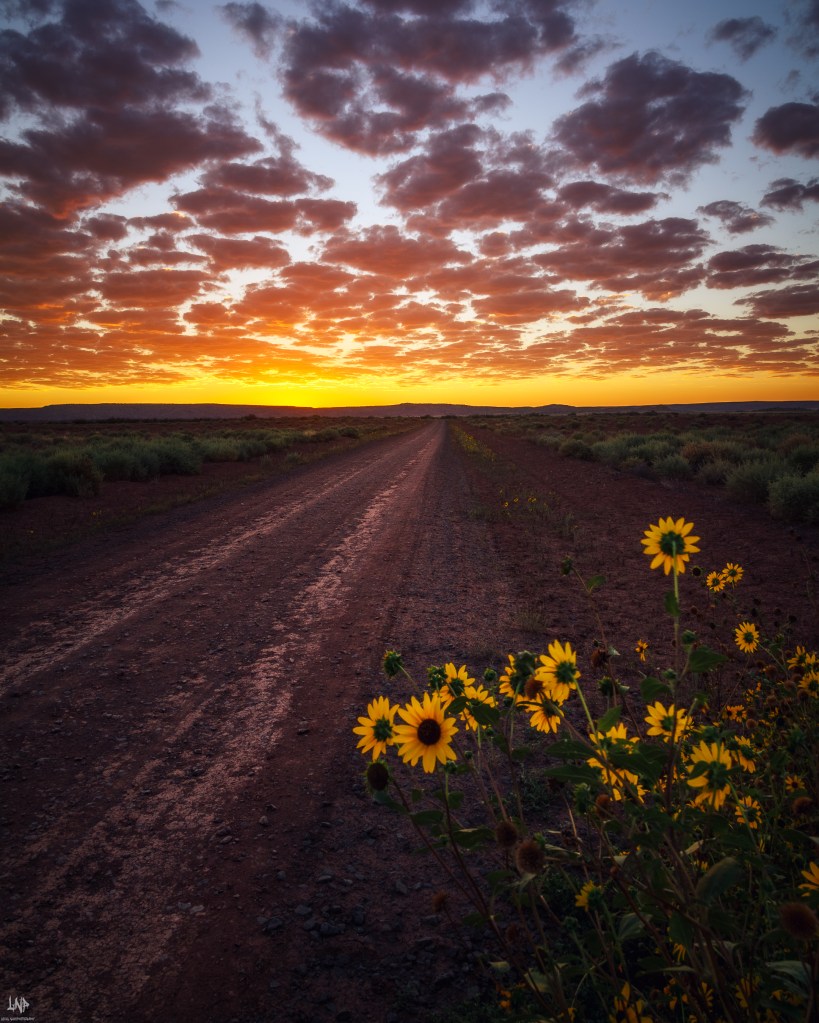
How to make money with an entry-level DSLR
The second question is about whether or not you can make a living off an entry-level DSLR, and the answer is yes, you totally can. The reason for that is once you find a great lens that gives you the look that you are after, the rest is cake. The images will have a consistent look to them, and that is the key for making money with a camera. You have to stay consistent in how your images look, or people will not think that you know what you are doing. That entry-level body is going to help you with working on the basics of photography with every image. That process you have will get more refined, and the images will be perfect for making you money.

Will an entry-level DSLR hold up for you?
This is the one point that is going to make or break “WEATHER” or not you are going to stay with an entry-level DSLR. The act of being outdoors is going to play a huge part in most of your photography. So having a weather-sealed camera is going to help you to no end. The fact is, the weather is going to be the one factor that most never truly look at. Yes, they will handle a light rain, fog, snow, in small amounts, but when that sky opens up, you need a cover for it. That is really the only downfall of the entry-level DSLR. Now, don’t get me wrong, I have in fact taken my Nikon D5300, my Canon Rebel T6, and my Sony NEX3 out in light rainstorms and captured so many great images with them. The thought in the back of my mind was always worried that my camera would stop working due to the amount of water hitting them.
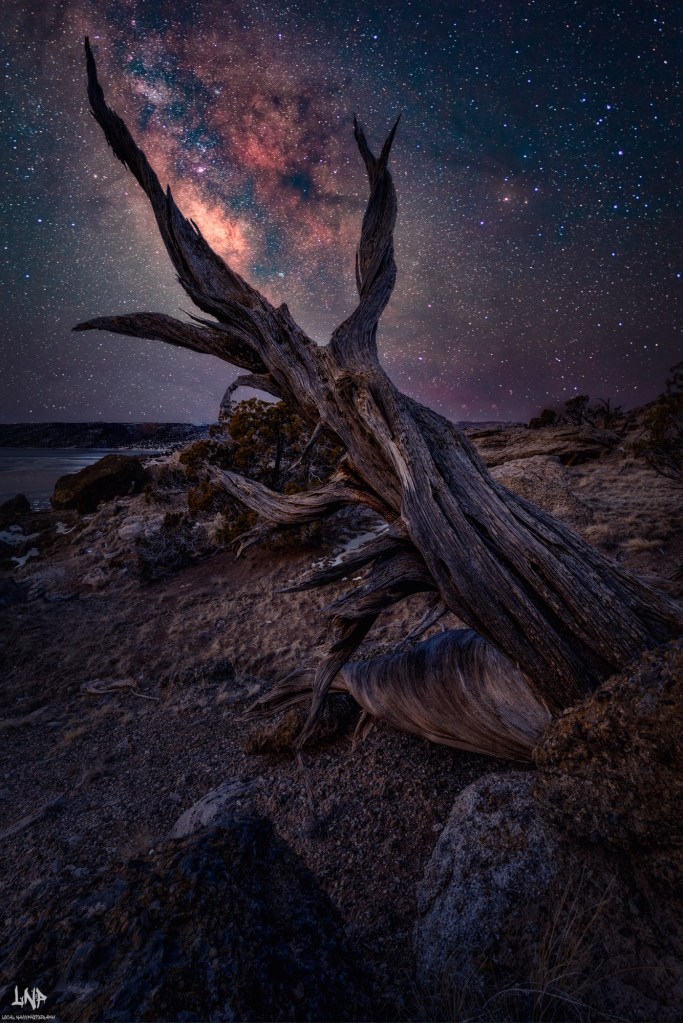
My Experience with an Entry-Level DSLR
When it comes to shooting with an entry-level DSLR, I like to take the approach that it’s cheap and allows me to get the images that I want. The thought of replacing my pro-level body and lenses makes my stomach ache, and I am not looking forward to having to replace it if something happens. With entry-level gear, that fear is not there. The total cost for my two lenses and the body is around $600 USD. That can be replaced easier than a $2,000 dollar setup. I actually prefer using the entry-level gear for my personal shooting because it really does slow me down to the point that I actually have to think more about my images.

Conclusion about an Entry-Level DSLR
This is where I am different than others in this space and the same as all the others. There are two camps in the photography industry. The first is you need to have the latest and greatest to really be considered a real photographer. The second camp is like me that believes the gear is just a tool and it’s there to aid your vision. The gear does matter for the job that you are going for, but you can totally get away with shooting with an entry-level DSLR. You can, and I have made a lot of money with an entry-level DSLR. Yes, they do hold up for the jobs that you may have for them as long as you keep in mind that they are not weather-sealed and there is a chance of truly damaging them. The entry-level gear is supposed to set you up for getting better gear as you progress with your career in photography, but I say stick with the entry-level bodies and upgrade the lenses. Get to know your camera to the point that you exceed the level of that body, then get a new one. I personally have gone back to shooting with an entry-level body due to the limitations giving me a hard time making my images. I want that challenge to make me better. Enjoy, y’all.

Bullet Point Breakdown –
The Power of an Entry-Level DSLR
Intro
Entry-level DSLRs often get dismissed as “not real cameras.”
Key questions: Can they deliver great photos? Can you make money with one? Will they hold up long term?
Will you get great images with an entry-level DSLR?
Yes—you can.
Fewer features force you to slow down and think about technique.
Slowing down improves skills and creativity.
The camera is only a tool—the vision comes from you.
How to make money with an entry-level DSLR
Yes—you can make money with one.
The key: consistency in your images.
A good lens + consistent style = professional results.
Entry-level bodies help refine fundamentals, which improves paid work.
Will an entry-level DSLR hold up?
The main weakness: lack of weather sealing.
They can handle light rain, fog, or snow—but not heavy conditions.
Worry about durability is valid, but they can last if cared for.
Real-world: Nikon D5300, Canon Rebel T6, and Sony NEX3 handled light rain but made you cautious.
My experience with entry-level DSLRs
Personal shooting feels freer with cheaper gear.
Entry-level setups are affordable (~$600 vs. $2,000+ for pro setups).
Less fear of breaking expensive equipment = more creativity.
They slow you down, force you to think, and make the process more rewarding.
Conclusion
Two camps:
Gear = legitimacy (latest and greatest).
Gear = tool (vision matters most).
Entry-level DSLRs can absolutely produce pro results.
Limitations can make you better by forcing discipline.
Upgrade only after you’ve truly outgrown your gear.
For you, the challenge of “less” makes photography more enjoyable
 LocalNavy433 Photography
Leave a comment